Solar Panels vs Heat Pumps: Which Is Better for Midlands Homes in 2026?
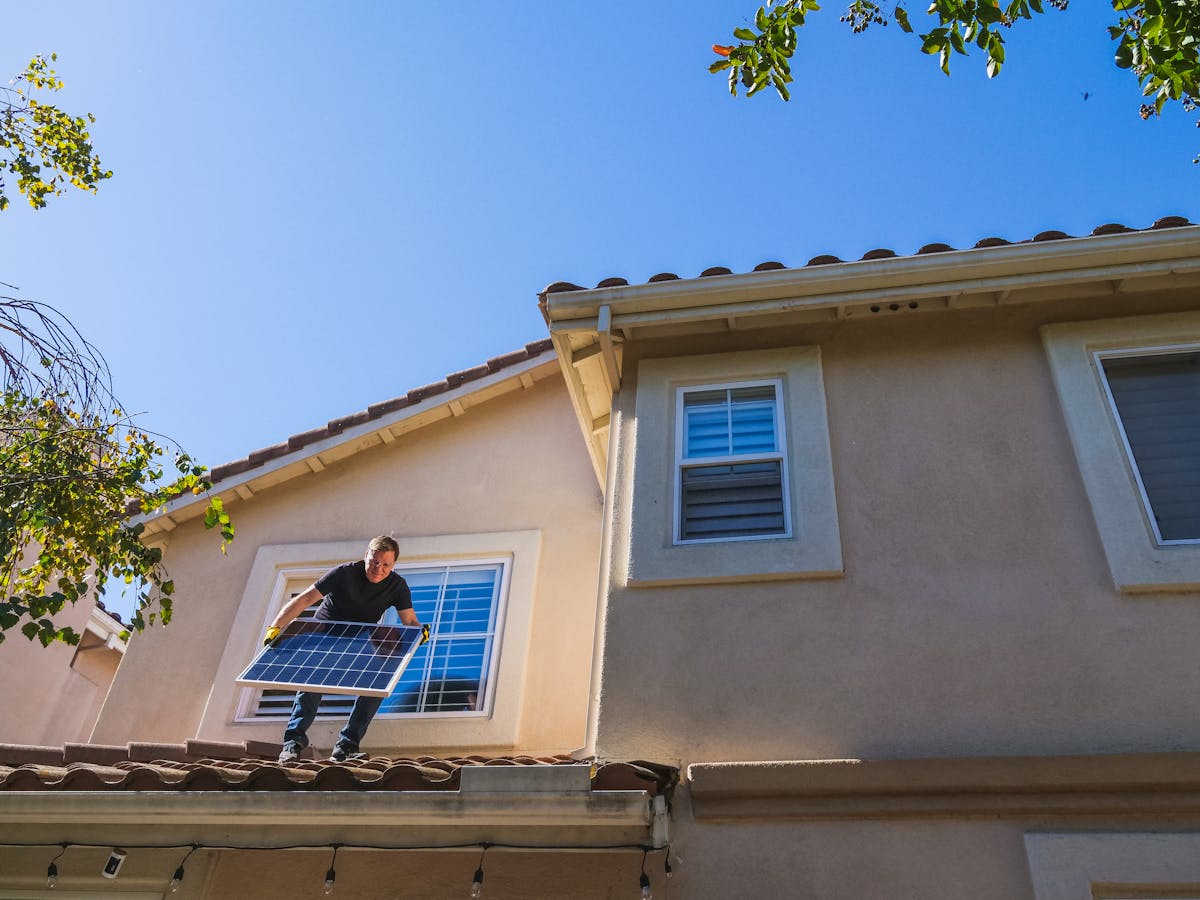
A detailed comparison of solar panels vs heat pumps for Midlands homeowners in 2026: upfront costs, annual savings, payback periods and how to combine both.
Solar Panels vs Heat Pumps: The Key Comparison for Midlands Homeowners
Both solar panels and heat pumps are central to the UK government's net zero strategy and both offer significant long-term savings. But for most homeowners in the Midlands, the choice comes down to budget, heating system, home insulation and priority.
Upfront Costs
Solar panels for a typical Midlands home (4kWp system) cost £6,500–£8,500 including installation. An air source heat pump (ASHP) costs £8,000–£15,000 installed, depending on property size and current heating system. A ground source heat pump costs £15,000–£25,000.
Crucially, heat pumps often require supporting works — improved insulation, upgraded radiators or underfloor heating — which can add £3,000–£8,000 to the project. Solar panels are standalone and rarely require additional works.
Annual Savings Compared
A 4kWp solar system in the Midlands typically saves £600–£900 per year at current electricity prices (25p/kWh). An air source heat pump replacing a gas boiler saves approximately £400–£800 per year depending on your existing heating costs and the heat pump's efficiency (COP). However, these savings are sensitive to the gas/electricity price ratio — when electricity is expensive relative to gas, heat pump savings are squeezed.
Payback Periods
Solar panels: 7–10 years for panels only; 9–12 years with battery. Air source heat pump: 10–15 years. The Boiler Upgrade Scheme (BUS) grant of £7,500 for ASHPs significantly improves heat pump payback — effectively reducing the upfront cost to £3,000–£7,500 for eligible properties.
Which Should You Install First?
For most Midlands homeowners, solar panels should come first. The reasons: lower upfront cost, no additional works required, faster payback, and generation of cheap electricity that makes a future heat pump cheaper to run. Solar also provides immediate savings and income through the SEG from day one.
If you plan to install a heat pump in future, consider installing a slightly larger solar system (6kWp instead of 4kWp) to ensure adequate generation for heating loads.
Can You Combine Solar and a Heat Pump?
Yes — and this combination is increasingly popular. A heat pump running on solar-generated electricity achieves the lowest possible carbon footprint and running costs. Systems can be configured to prioritise heat pump operation during peak solar generation. Some heat pump controllers (e.g. those compatible with Fox ESS or Solis inverters) can integrate directly with solar generation data for optimal scheduling.
Summary Table
Solar Panels: Lower cost, faster payback, no supporting works, 7–10yr payback, SEG income, VAT-free. Heat Pump: Higher cost, £7,500 BUS grant available, 10–15yr payback, reduces carbon footprint significantly, requires adequate insulation. Best outcome: Install solar first, heat pump second — with solar sized for combined loads.
Thinking about solar for your home?
Get a free, no-obligation quote from a local MCS-certified installer based in the Midlands.