Solar Panels on New Build vs Old House: Key Differences in 2026
Comparing solar panel installation on new builds vs older properties in 2026: structural considerations, costs, EPC impact, roof types and planning rules.
Solar Panels on New Builds vs Older Homes: What's the Difference?
Whether your home is a brand new development or a Victorian terrace, solar panels can be a strong investment. But the installation process, costs and considerations differ meaningfully between new and older properties.
New Build Solar
New build homes in the UK built from 2023 onwards are increasingly required by building regulations to include solar panels or another low-carbon energy source (the Future Homes Standard mandates significant carbon reduction). Many developers now install solar as standard on new builds, particularly on south-facing roof slopes.
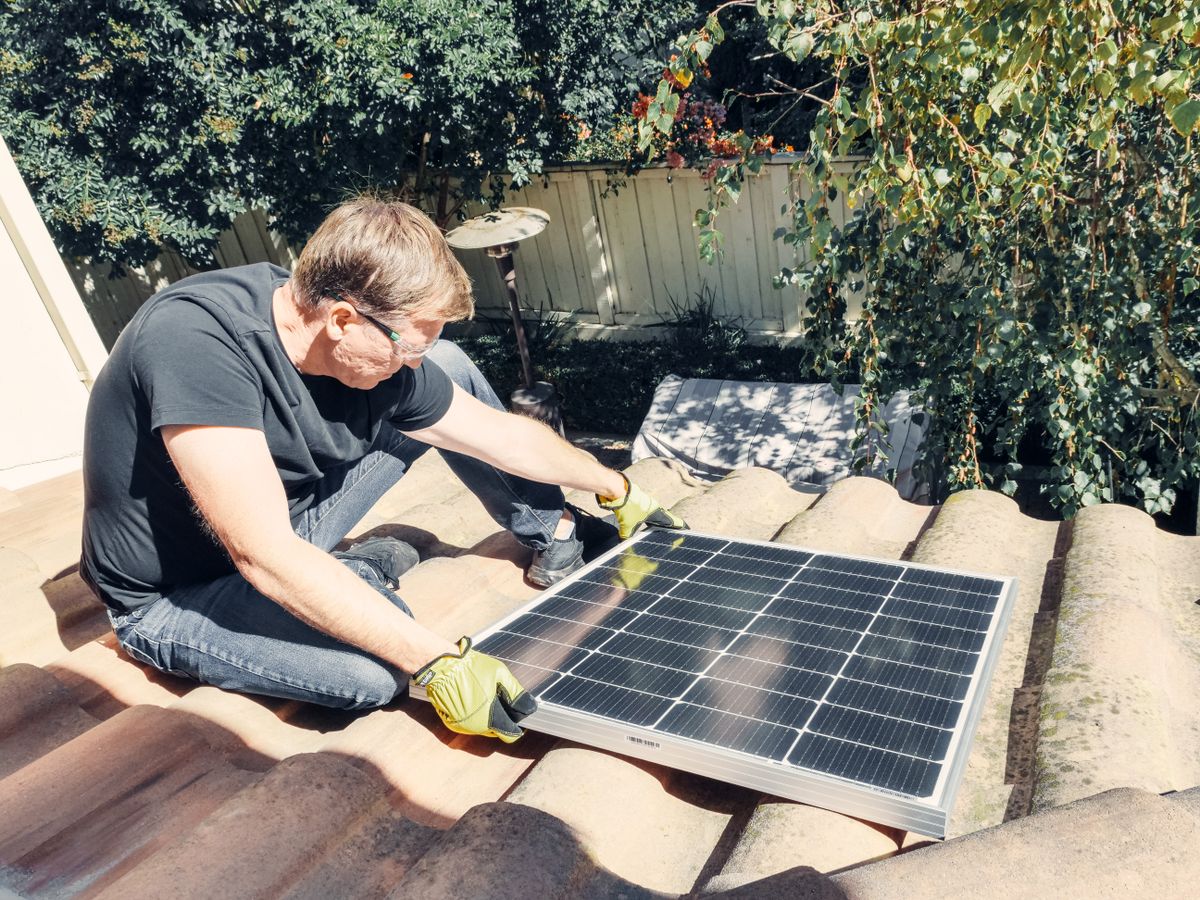
For new builds without solar, or where you want to expand an existing system, installation is typically straightforward. Modern roof structures are well-suited to solar, with consistent timber rafters and good weathertight roofing materials. Roof access is usually easy and the electrical infrastructure is modern enough to support solar without rewiring.
Older Property Solar
Pre-war and Victorian properties present more variables. Common considerations include:
Roof structure: Victorian and Edwardian roofs are often sound but may have non-standard rafter spacing. Our surveyors assess structural suitability as part of the free survey. Roof coverings: Concrete, slate and clay tiles all accommodate solar but require different mounting systems. Fragile slate requires more care during installation. Electrics: Properties with older consumer units may benefit from a consumer unit upgrade before or alongside solar installation, ensuring compliance with current regulations. Insulation: Older properties with poor insulation may benefit from combining solar with an insulation upgrade to maximise energy savings.
Planning Permission Differences
Conservation areas and listed buildings predominantly affect older properties. New builds on modern estates are almost universally eligible for permitted development. Victorian and Edwardian properties in town centre locations may be within conservation areas requiring planning permission — always check before proceeding.
Cost Differences
New build solar is typically slightly cheaper to install due to simpler roof access and modern wiring. Older properties with complex roofs, slate tiles or non-standard layouts can cost 10–20% more. Battery addition costs are similar regardless of property age.
EPC Impact
Solar panels significantly improve EPC ratings on both property types. On a typical older D-rated property, solar can push the rating to C or even B, improving mortgage rates and property value. On a new build already rated B or A, the EPC impact is less dramatic but still positive.
Thinking about solar for your home?
Get a free, no-obligation quote from a local MCS-certified installer based in the Midlands.